
Privacy myths are more common than we think—and believing them can put our personal information at risk in today’s digital world.
Written by John Carlo Guevarra, Data Protection Officer of Servo IT Solutions, responsible for overseeing the company’s data privacy compliance, data protection practices, and information security awareness initiatives.
In today’s digital age, we share a vast amount of information online. From social media to online shopping, our personal data is constantly being collected, stored, and sometimes even shared—often without us realizing it. Despite this, many people still believe in common privacy myths that can put them at risk.
Let’s break down these myths and uncover the facts about privacy.
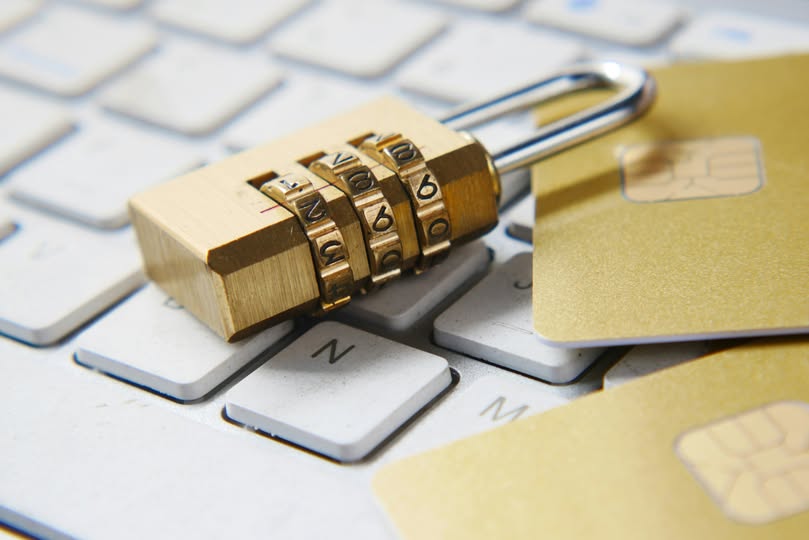
Myth #1: “I have nothing to hide, so privacy doesn’t matter.”
Many people believe that if they’re not doing anything wrong, privacy isn’t important. But privacy is not about hiding wrongdoing—it’s about protecting your personal information.
Even basic details like your birthday, phone number, email, or address can be used for identity theft, scams, or fraud. Think of it like locking your house: you’re not hiding anything illegal; you’re simply protecting what’s yours.
Myth #2: “Strong passwords are enough to keep me safe.”
Strong passwords are important, but they’re not enough on their own. Cybercriminals can still use phishing, key logging, OTP scams, or data breaches to access your accounts.
To stay safer online, use multi-factor authentication (MFA), update your passwords regularly, and consider using a trusted password manager.
Myth #3: “Social media platforms protect all my information.”
While social media platforms offer privacy settings, they also collect and use your data—often for advertising. Relying solely on these platforms to protect your information can be risky.
Review your privacy settings, limit what you share, and be cautious when granting access to third-party apps. Take 5 minutes today to review your privacy settings—it can make a big difference.
Myth #4: “Deleting a post means it’s gone forever.”
Even after you delete a post, it may still exist on servers, backups, or screenshots taken by others. Your digital footprint can be difficult to erase completely.
Before posting, ask yourself: “Would I be comfortable if this resurfaced in five years?”
Myth #5: “Public Wi-Fi is safe as long as I don’t enter passwords.”
Public Wi-Fi networks can be easily exploited by attackers. Even if you’re not entering passwords, your browsing activity can still be intercepted. Avoid accessing sensitive accounts while on public Wi-Fi. For better security, use a VPN or switch to mobile data, and always ensure websites use HTTPS.
Myth #6: “Privacy laws fully protect me.”
Privacy laws provide important protections, but they don’t eliminate all risks. Data breaches can still occur due to hacking or human error. While these laws give you rights, protecting your data also requires personal awareness and responsibility.
Privacy is a shared responsibility between organizations and individuals.
In a world where data is highly valuable, protecting your information means protecting yourself. The next time you hear a privacy myth, remember staying informed is your first line of defense.
Iba ang may alam.