In today’s rapidly evolving hospitality landscape, operational efficiency and data accuracy are no longer competitive advantages. They are basic requirements. As hotels work to deliver seamless guest experiences while maintaining financial control, the shift to fully integrated systems has become a key factor in long-term success.
At its core, smart hospitality is about connectivity. It brings together front office operations, sales, housekeeping, and financial reporting into one unified ecosystem. When systems work together, properties gain more than efficiency. They gain clarity, control, and confidence in their daily operations.
The Power of Integration
An integrated hospitality system connects key departments such as Front Office (PMS), POS, Housekeeping, Sales and Events (BEO), Booking Engine, Channel Manager, and Accounting into one platform. This removes silos and allows data to move seamlessly across functions.
For example, a reservation made through the booking engine is immediately reflected in the PMS and visible to housekeeping for room preparation. Charges from POS or banquet operations are automatically posted to the guest folio and reflected in financial reports without manual input.
The result is a smoother workflow where every department works with the same real-time information.

Operational Advantages
The benefits of an integrated system extend across the entire property:
• Less Manual Work
Double encoding is no longer needed. This reduces human error and allows staff to focus more on guest service.
• Accurate and Timely Financial Reporting
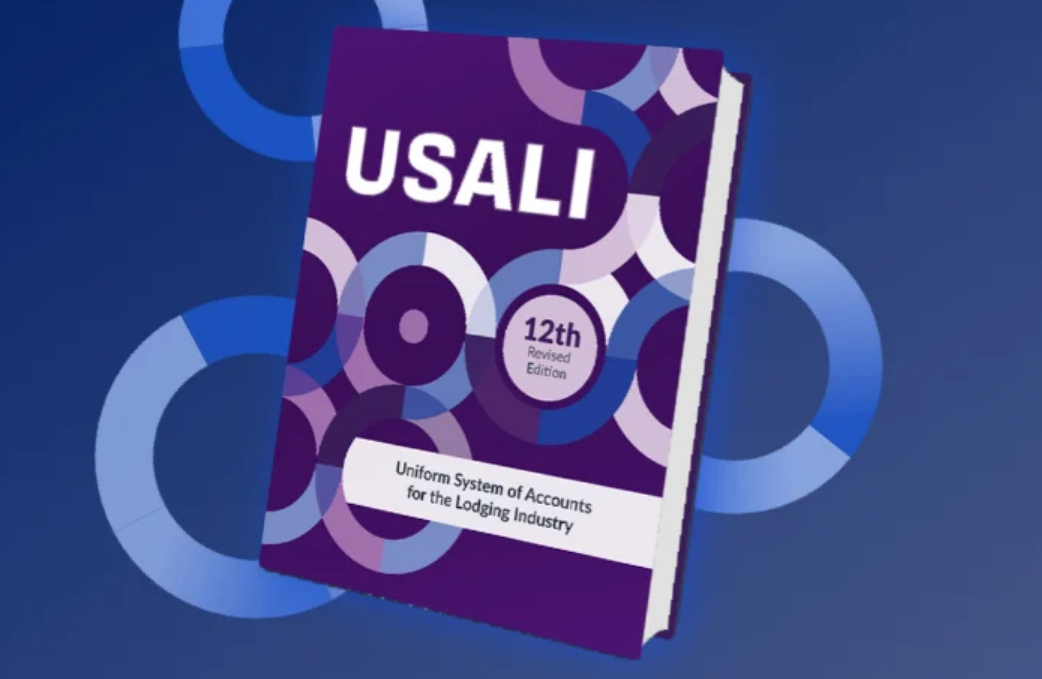
With real-time data flowing into accounting, management gains clear visibility into revenue performance, aligned with standards such as USALI.
• Improved Guest Experience
Guests experience faster check-ins, accurate billing, and more personalized service driven by centralized data.
• Stronger Accountability and Audit Readiness
Every transaction is tracked within the system, reducing discrepancies and making audits easier to manage.
• Better Decision-Making
Leaders can rely on up-to-date, consolidated reports to guide both daily operations and long-term strategy.
The Hidden Costs of Disconnected Systems
Some properties still use multiple systems from different providers. While this may seem cost-effective at first, the lack of integration often creates inefficiencies that outweigh the savings.
Common challenges include:
• Missed or Delayed Charges
Guests may avail of add-ons or banquet services, but without integration, charges are not posted in real time. This can lead to lost revenue or billing disputes at checkout.
• Inconsistent Financial Data
Accounting teams must manually combine reports from different systems, increasing the risk of errors and slowing down month-end closing.
• Operational Bottlenecks
Staff switch between systems, re-encode data, or verify information manually. This slows down service and adds unnecessary workload.
• Poor Guest Experience
Without a unified guest profile, preferences and history are not captured properly, resulting in a disconnected and less personalized stay.
• Limited Visibility for Management
Decisions are made based on incomplete or outdated data, affecting pricing, forecasting, and overall performance.
Over time, these inefficiencies build up and impact productivity, profitability, and brand reputation.
A Strategic Investment, Not an Expense
Investing in an integrated hospitality system is not just a technology upgrade. It is a strategic move that directly affects long-term success.
By aligning operations and financial processes into a single platform, hotels can:
• Protect and maximize revenue
• Improve staff efficiency
• Strengthen internal controls
• Deliver consistent, high-quality guest experiences
More importantly, it prepares the property to grow and adapt in an increasingly digital and data-driven industry.
For hotel owners, general managers, and finance leaders, the question is no longer whether to adopt integrated systems, but how soon they can make the transition.
The first step is to review current systems and identify gaps in integration. From there, choosing a solution that connects operations from front office to accounting can drive measurable improvements across the organization.
Smart hospitality is not about adding more systems. It is about making them work together.
Written by Darren Perez, a Solutions Specialist for Front Office and Product Owner of the Sales Portal with over three years of experience in hospitality technology. She previously worked at Shangri-La Makati as a Guest Services Officer and at Resorts World Manila as a VIP Reservations Officer. With deployment experience across hotels of varying sizes and operations, she brings a practical understanding of hotel processes shaped by hands-on exposure to both effective and inefficient systems.